U.S.-Iran Peace Talks in Islamabad Conclude Without Agreement
The United States and Iran ended their peace negotiations in Islamabad without reaching a deal, as Iran declined to commit to halting nuclear weapon development.
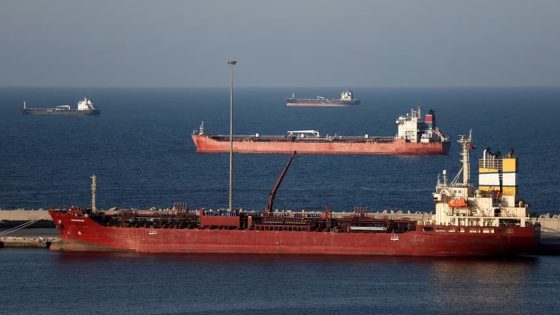
Iran struggles to clear sea mines it deployed in the Strait of Hormuz, affecting the reopening of the vital waterway.
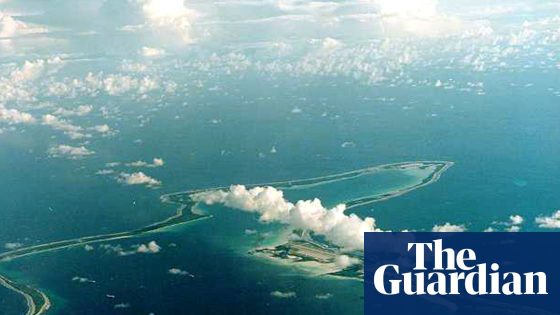
The United Kingdom's plan to transfer sovereignty of the Chagos Islands to Mauritius is delayed as discussions with the U.S. continue. Mauritius considers legal action over the delay.
U.S. Vice President J.D. Vance and Iranian officials have arrived in Islamabad to engage in talks aimed at solidifying a ceasefire brokered by Pakistan.
Israeli Prime Minister Benjamin Netanyahu has instructed his cabinet to begin direct negotiations with Lebanon, focusing on disarming Hezbollah and establishing peaceful relations.
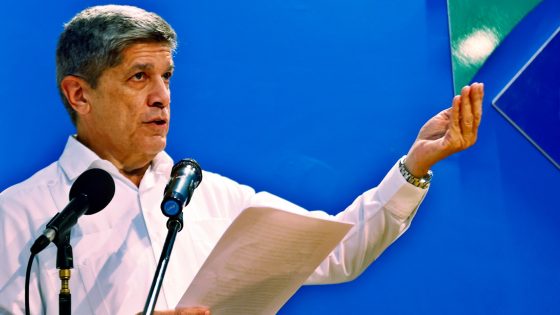
Cuban President Miguel Díaz-Canel stated he will not resign under U.S. pressure, emphasizing Cuba's sovereignty and leadership mandate.
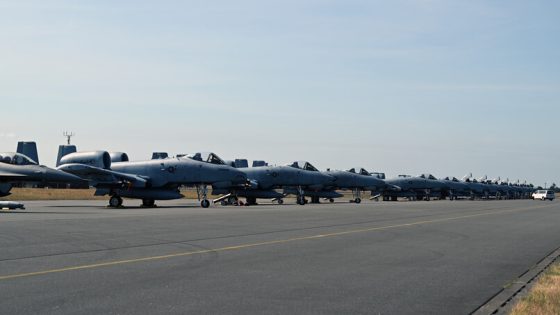
Spain and Italy restrict U.S. military access, while the UK and Germany maintain support. NATO's role remains limited.
A two-week ceasefire between the United States and Iran is under strain amid disputes over Lebanon and the reopening of the Strait of Hormuz.
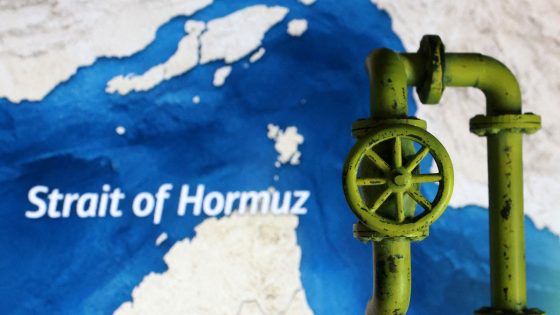
Iran's plan to collect tolls from ships in the Strait of Hormuz raises concerns over international trade norms and maritime law.
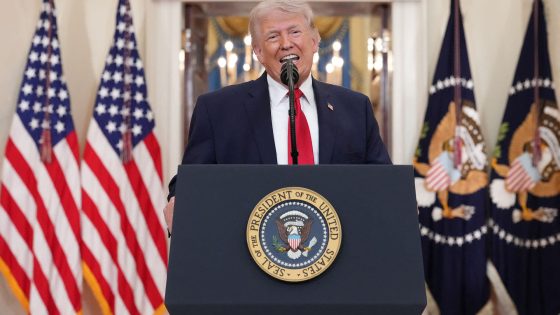
In a recent address, President Trump announced ongoing military operations in Iran, asserting U.S. objectives are nearly complete.