AI Model Detects Pancreatic Cancer Years Before Symptoms Appear, Study Shows
A new AI system developed by Mayo Clinic researchers can identify pancreatic cancer on CT scans up to three years before clinical diagnosis, according to a recent study.


A New Zealand trial suggests rapamycin may not enhance exercise benefits in older adults, with some adverse effects reported.
New research reveals coffee's impact on gut microbiome, highlighting specific bacterial changes and potential health effects.
A Phase 1 trial of a personalized mRNA vaccine for pancreatic cancer demonstrates extended survival rates for responders.
A report indicating the COVID-19 vaccine's effectiveness in reducing hospital visits was blocked from publication by the CDC, citing methodological concerns.
New studies reveal how aspirin may reduce cancer metastasis and recurrence, especially in colorectal cancer patients with specific genetic mutations.
The CDC reports a significant increase in infections from drug-resistant bacteria, posing a major public health threat.
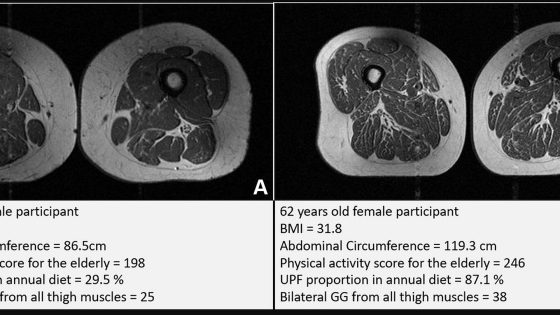
Research published in Radiology suggests a connection between ultra-processed food consumption and increased intramuscular fat, potentially raising the risk of knee osteoarthritis.
Brad Smith, a non-verbal ALS patient, experiences life-changing improvements through a Neuralink brain-computer interface implant.
The CDC reports an increase in extensively drug-resistant Shigella cases, with new strains identified in Los Angeles.