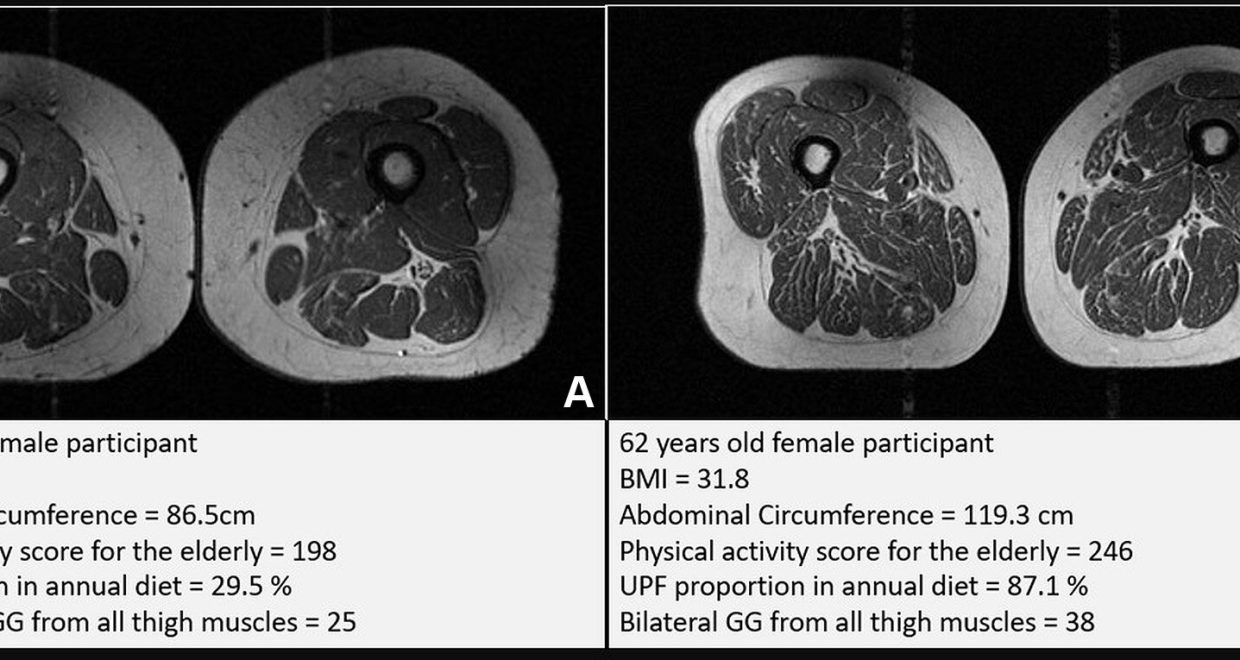
A study published on April 14, 2026, in the journal Radiology has found a correlation between the consumption of ultra-processed foods and increased intramuscular fat in thigh muscles, independent of calorie intake, physical activity, or sociodemographic factors [1][2].
The research analyzed MRI data from 615 participants, including 275 men and 340 women, with an average age of 60 and an average body mass index (BMI) of 27. These participants were part of the Osteoarthritis Initiative, a nationwide study sponsored by the National Institutes of Health, and were at risk for knee osteoarthritis but not yet affected by the condition [1].
Lead author Zehra Akkaya, M.D., from the University of California, San Francisco, and senior author Dr. Thomas Link, chief of musculoskeletal imaging at UCSF, conducted the study. They noted that the presence of greater intramuscular fat in thigh muscles may increase the risk for developing knee osteoarthritis [1][3].
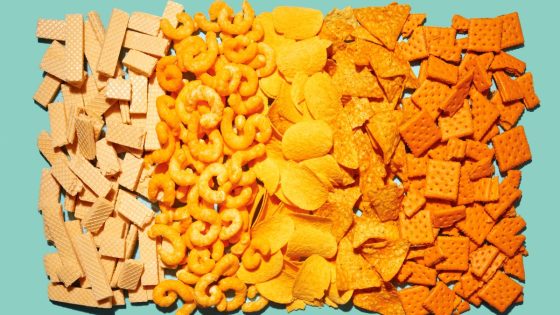
The study’s findings highlight the potential health implications of consuming ultra-processed foods, which are often high in additives, preservatives, and artificial ingredients. These foods have been previously linked to various health issues, including obesity and cardiovascular diseases, but this study specifically focuses on their impact on muscle health [2].
What Is Known
The study provides evidence that a higher intake of ultra-processed foods is associated with increased intramuscular fat, which could contribute to a higher risk of knee osteoarthritis. This association was observed regardless of other factors such as calorie consumption, physical activity levels, or sociodemographic characteristics [1][2].

What Remains Unclear
While the study establishes a correlation, it does not prove causation between ultra-processed food consumption and increased intramuscular fat. Further research is needed to determine the underlying mechanisms and whether reducing intake of these foods can reverse or mitigate the observed effects [1][2].
This article was generated by Bluxle's AI system based on research from multiple news sources. All facts are sourced and cited below. The AI is designed to be neutral and fact-based with no editorial opinion.
Sources & Citations
Weighted by citation frequency — sources cited more often carry greater influence.
Research Basis
Outlets in bold were actively consulted during research for this article. Others are in our standard monitoring pool.
Report an Issue
Tell us what you noticed. Our editors will review it.
✓ Report received. Thank you!