
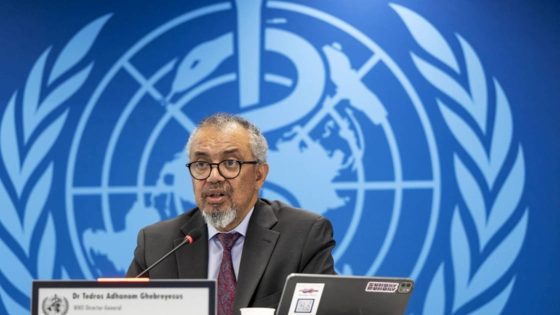
The World Health Organization (WHO) Director-General Tedros Adhanom Ghebreyesus has emphasized the urgent need to enhance the response to the Ebola outbreak in the Democratic Republic of Congo (DRC). He warned that the epidemic will continue to threaten the DRC and its neighboring regions until every transmission chain is identified and disrupted [1][2].
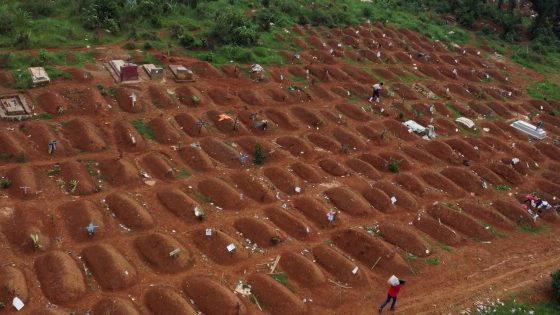
The current outbreak, caused by the Bundibugyo virus strain, has become the fastest-growing and deadliest in the DRC’s history, with over 3,000 fatalities reported [2][3]. The outbreak has expanded to 60 health zones across six provinces, with 5,794 confirmed cases and a case fatality rate of approximately 48.1% [4].
Efforts to contain the virus have been hindered by several challenges, including conflict in mineral-rich regions, inadequate infrastructure, healthcare worker strikes, and cultural practices such as traditional burial methods [2][3]. Additionally, the response has not met established targets, with up to 80% of new cases occurring outside known contact networks [3].
The WHO is facing a funding gap exceeding $1 billion for the Ebola response [1][2]. Despite this, WHO and its partners are implementing a significant scale-up of activities, including emergency coordination, surveillance, laboratory testing, infection prevention and control, clinical care, community engagement, logistics, and support for essential health services [4].
Treatment capacity in the DRC has increased from fewer than 10 beds to over 1,300, and more than 900 health facilities have received infection prevention and control support [5]. However, there is currently no approved treatment or vaccine for the Bundibugyo strain [3].
What Is Known
The Ebola outbreak in the DRC is the largest and deadliest in the country’s history, with significant challenges in containment due to conflict, infrastructure issues, and cultural practices [2][3]. The WHO has called for increased efforts and funding to address these challenges [1][2].
What Remains Unclear
The effectiveness of potential vaccines, such as the Ervebo vaccine, against the Bundibugyo strain remains unconfirmed, with WHO recommending further clinical trials [4]. The full extent of the outbreak’s impact on the region is still being assessed as efforts continue to contain the virus [3].
This article was generated by Bluxle's AI system based on research from multiple news sources. All facts are sourced and cited below. The AI is designed to be neutral and fact-based with no editorial opinion.

Sources & Citations
Weighted by citation frequency — sources cited more often carry greater influence.
Research Basis
Outlets in bold were actively consulted during research for this article. Others are in our standard monitoring pool.
Report an Issue
Tell us what you noticed. Our editors will review it.
✓ Report received. Thank you!