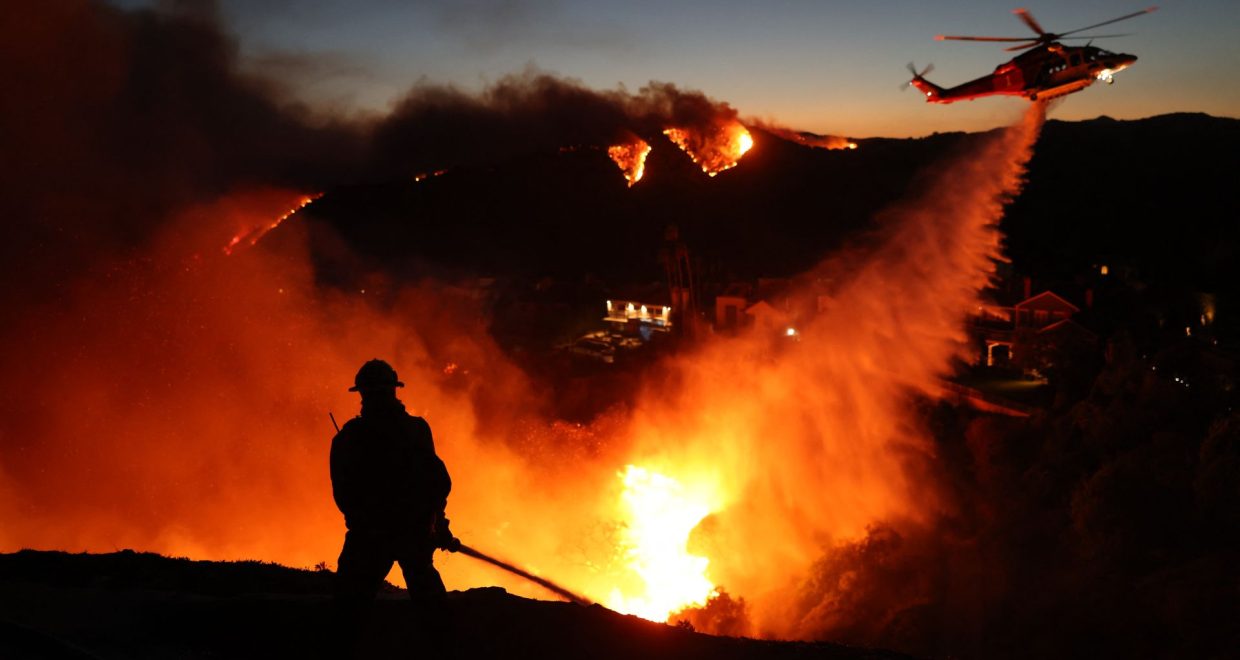
The U.S. Wildland Fire Service (USWFS), a new federal agency established in January 2026, is preparing for an intense wildfire season as extreme weather conditions persist across the country. The agency was formed under the Department of the Interior, consolidating resources from four Interior bureaus into a single organization [1].
The USWFS is now a critical partner in Colorado’s wildfire response efforts, where the state is bracing for an elevated fire season [1]. Paul Hohn, the geographic area fire chief for the Rocky Mountain region, is leading the efforts in this area [2].
Despite the formation of the new agency, staffing levels and budgets remain consistent with the previous year, as deferred resignation programs did not impact firefighters and support personnel [2]. The USWFS brings together firefighting programs from the Bureau of Indian Affairs, Bureau of Land Management, National Park Service, and U.S. Fish and Wildlife Service [2]. However, the U.S. Forest Service remains under the Department of Agriculture and is not part of the USWFS [2].

As of March 20, 2026, the National Preparedness Level was raised to 2, with the Southern Area reaching a geographic Preparedness Level of 3 [3]. By March 31, approximately 1,615,683 acres had burned nationally, which is 231% of the previous ten-year average, with 16,746 wildfires reported [3].
By April 17, year-to-date figures showed 20,915 fires and 1,748,490 acres burned, compared to the ten-year average of 13,597 fires and 875,957 acres [4]. More than 15 million people in the central U.S. were under fire weather alerts in late April, with 3.8 million facing ‘critical fire weather’ conditions [5].
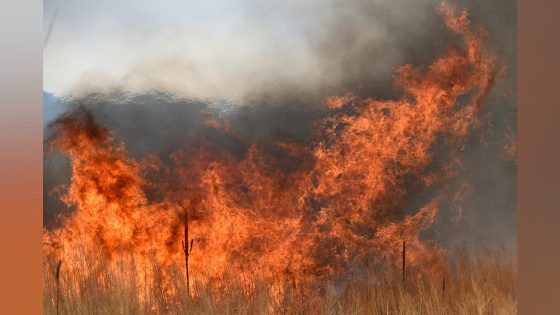
In Georgia, wildfires destroyed over 120 homes, driven by dry conditions, high winds, and debris from Hurricane Helene. By April 24, about 1.8 million acres had burned nationwide [6]. Wildfires across Georgia and Florida destroyed more than 50 homes and forced evacuations, with southeastern Georgia experiencing exceptional or extreme drought conditions [7].
Record heat and extremely low moisture levels in the West during the first three months of 2026 suggest that the upcoming fire season could be extraordinarily severe unless significant rainfall occurs in late spring or early summer [8]. Wildfires are now burning later into the night and starting earlier in the morning, with the number of hours favorable for wildfires in North America 36% higher than 50 years ago [9].
California’s wildfire season is also shifting, potentially extending more than a month later than the traditional June–October window [10].
What Is Known
The USWFS was established to consolidate wildland firefighting resources and improve response capabilities. The agency is actively preparing for an elevated fire season, particularly in Colorado. Current data indicates a significant increase in wildfire activity compared to historical averages.
What Remains Unclear
It remains uncertain how effective the USWFS will be in mitigating the impacts of this year’s fire season, given the unprecedented conditions. Additionally, the long-term effects of climate change on wildfire patterns and the potential need for further resource adjustments are still under study.
This article was generated by Bluxle's AI system based on research from multiple news sources. All facts are sourced and cited below. The AI is designed to be neutral and fact-based with no editorial opinion.

Sources & Citations
Weighted by citation frequency — sources cited more often carry greater influence.
Research Basis
Outlets in bold were actively consulted during research for this article. Others are in our standard monitoring pool.
Report an Issue
Tell us what you noticed. Our editors will review it.
✓ Report received. Thank you!