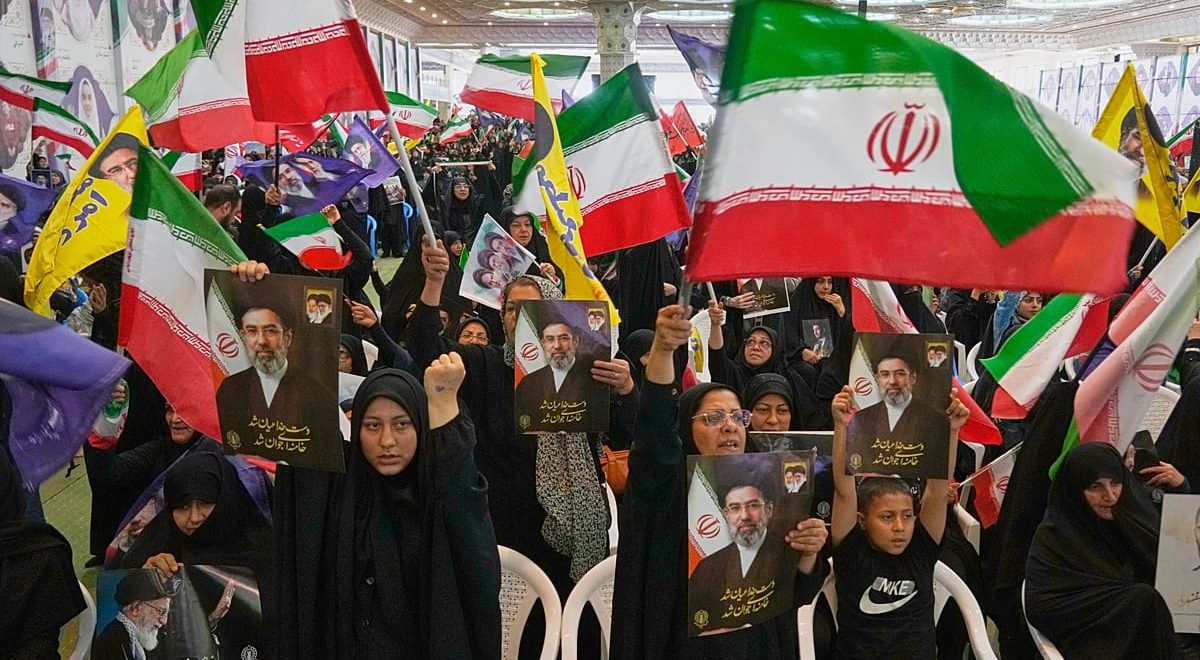
The United States military carried out strikes on an Iranian military site overnight, targeting a location believed to pose a threat to U.S. forces and commercial maritime traffic in the Strait of Hormuz [1][2]. The U.S. described these actions as measured and purely defensive, aiming to maintain a ceasefire in the region [1][2].
In conjunction with the strikes, U.S. forces also shot down four Iranian one-way attack drones that were perceived as threats around the Strait of Hormuz [1][2]. The U.S. military emphasized that these operations were necessary to protect American personnel and interests in the area [1][2].
In response, Iran’s Islamic Revolutionary Guard Corps (IRGC) announced that it had targeted a U.S. airbase in retaliation for the American strikes near Bandar Abbas Airport [3][4]. The IRGC described its action as a serious warning, stating that any further U.S. aggression would be met with a more decisive response [4][5].

While the IRGC claimed to have targeted a U.S. airbase, it did not specify the location. Reports from the Anadolu Agency suggested the targeted base was in Kuwait, but this has not been independently confirmed by U.S. or other international sources [5].
What Is Known
The U.S. military conducted strikes in Iran, targeting a military site deemed a threat to U.S. forces and maritime traffic [1][2]. Four Iranian drones were shot down by U.S. forces in the Strait of Hormuz [1][2]. Iran’s IRGC claimed to have retaliated by targeting a U.S. airbase [3][4].
What Remains Unclear
The specific location of the U.S. airbase allegedly targeted by Iran remains unverified, with reports suggesting it might be in Kuwait, but lacking independent confirmation [5]. The full extent of damage or casualties resulting from these exchanges has not been detailed by either side.
This article was generated by Bluxle's AI system based on research from multiple news sources. All facts are sourced and cited below. The AI is designed to be neutral and fact-based with no editorial opinion.

Sources & Citations
Weighted by citation frequency — sources cited more often carry greater influence.
Research Basis
This article was researched across outlets representing a range of political perspectives. Only sources whose facts are directly used appear in Sources & Citations above.
Report an Issue
Tell us what you noticed. Our editors will review it.
✓ Report received. Thank you!