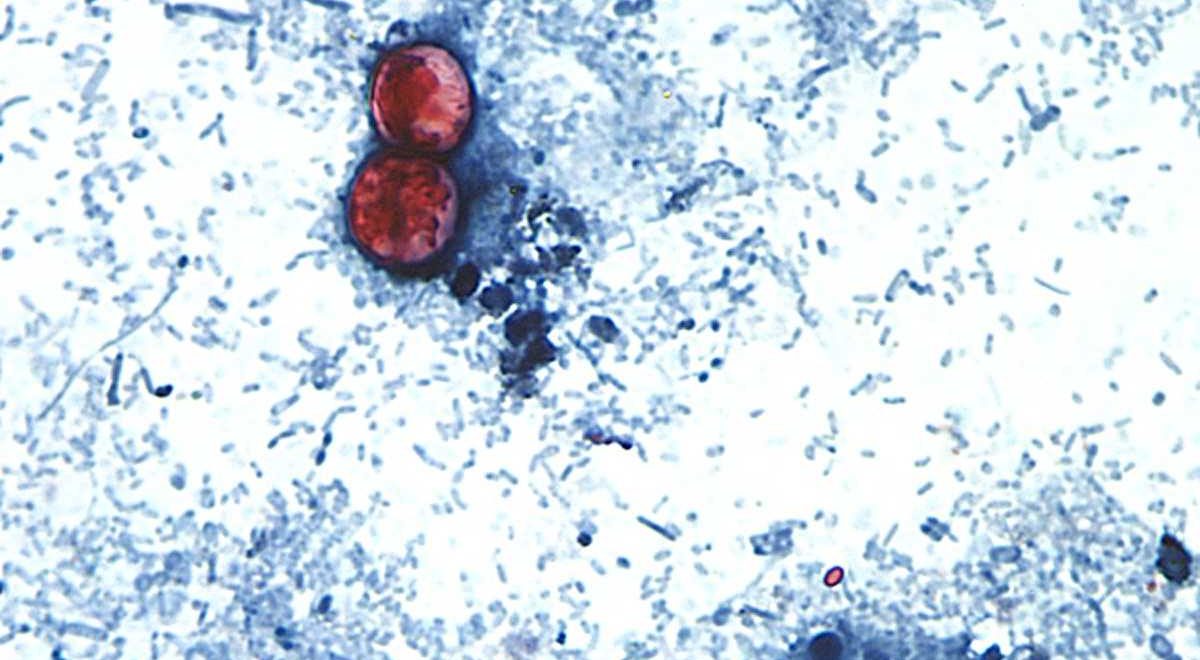
The New Hampshire Department of Health and Human Services (NH DHHS) has confirmed two cases of cyclosporiasis in the state for the year 2026. This announcement aligns with historical data, as NH DHHS typically identifies between two and nine cases annually [1].
Cyclosporiasis is caused by the Cyclospora parasite, which is a microscopic organism that can lead to an intestinal illness. The illness is often associated with the consumption of unwashed produce and is characterized by symptoms such as watery diarrhea, which can be frequent and sometimes explosive [1].
As of July 2026, the Centers for Disease Control and Prevention (CDC) reports that 31 states have documented cases of cyclosporiasis, resulting in 86 hospitalizations. However, no deaths have been reported [1].
Health officials emphasize that the best protection against cyclosporiasis involves thorough hand washing and the cleaning of raw fruits and vegetables before consumption. These preventive measures are crucial in reducing the risk of infection from the Cyclospora parasite [1].
What Is Known
The NH DHHS has confirmed two cases of cyclosporiasis in 2026, consistent with the typical range of cases reported in previous years. The illness is linked to the Cyclospora parasite, which is often transmitted through unwashed produce. The CDC has reported cases across 31 states, with 86 hospitalizations and no fatalities [1].
What Remains Unclear
While the source of the current cases in New Hampshire has not been specified, the general risk factors and preventive measures are well-documented. Further investigation may be required to determine specific sources of contamination in the state [1].
This article was generated by Bluxle's AI system based on research from multiple news sources. All facts are sourced and cited below. The AI is designed to be neutral and fact-based with no editorial opinion.

Sources & Citations
Weighted by citation frequency — sources cited more often carry greater influence.
Research Basis
Outlets in bold were actively consulted during research for this article. Others are in our standard monitoring pool.
Report an Issue
Tell us what you noticed. Our editors will review it.
✓ Report received. Thank you!