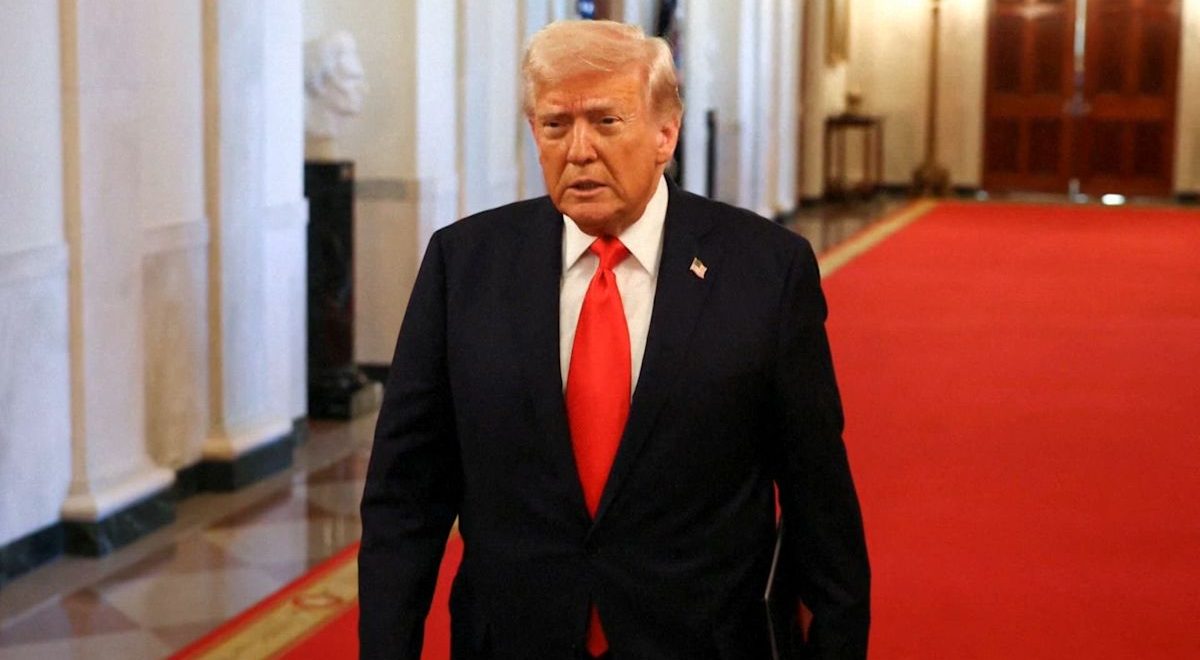
President Donald Trump has directed the Pentagon to significantly reduce joint military exercises with South Korea, according to official sources [1][2]. The Ulchi Freedom Shield exercises, initially planned for 11 days, have been shortened to approximately five days, concluding on August 21 instead of August 27 [2][3].
The decision to scale back the drills was made at the request of the United States, with both South Korean and U.S. military officials agreeing to downsize some joint field training exercises [3]. Experts and observers have expressed concerns that this reduction could harm the combined defense readiness of the U.S. and South Korean forces and potentially weaken their long-standing alliance [4].
President Trump cited his positive relationship with North Korean leader Kim Jong Un and South Korea’s refusal to support U.S. efforts to denuclearize Iran as reasons for the reduction [1][5]. North Korea’s state media condemned the exercises, describing them as “frantic” and “extremely dangerous,” and vowed to respond with deterrent measures [3].

What Is Known: The reduction in military exercises has been confirmed by multiple sources, including the Associated Press and Reuters [1][2]. The exercises have been shortened by six days, and the decision was influenced by diplomatic considerations involving North Korea and Iran [1][5].
What Remains Unclear: It is not confirmed whether the reduction was primarily intended to pressure South Korea into supporting U.S. efforts in Iran or as a deliberate overture to reengage diplomatically with North Korea [3].
This article was generated by Bluxle's AI system based on research from multiple news sources. All facts are sourced and cited below. The AI is designed to be neutral and fact-based with no editorial opinion.

Sources & Citations
Weighted by citation frequency — sources cited more often carry greater influence.
Research Basis
Outlets in bold were actively consulted during research for this article. Others are in our standard monitoring pool.
Report an Issue
Tell us what you noticed. Our editors will review it.
✓ Report received. Thank you!