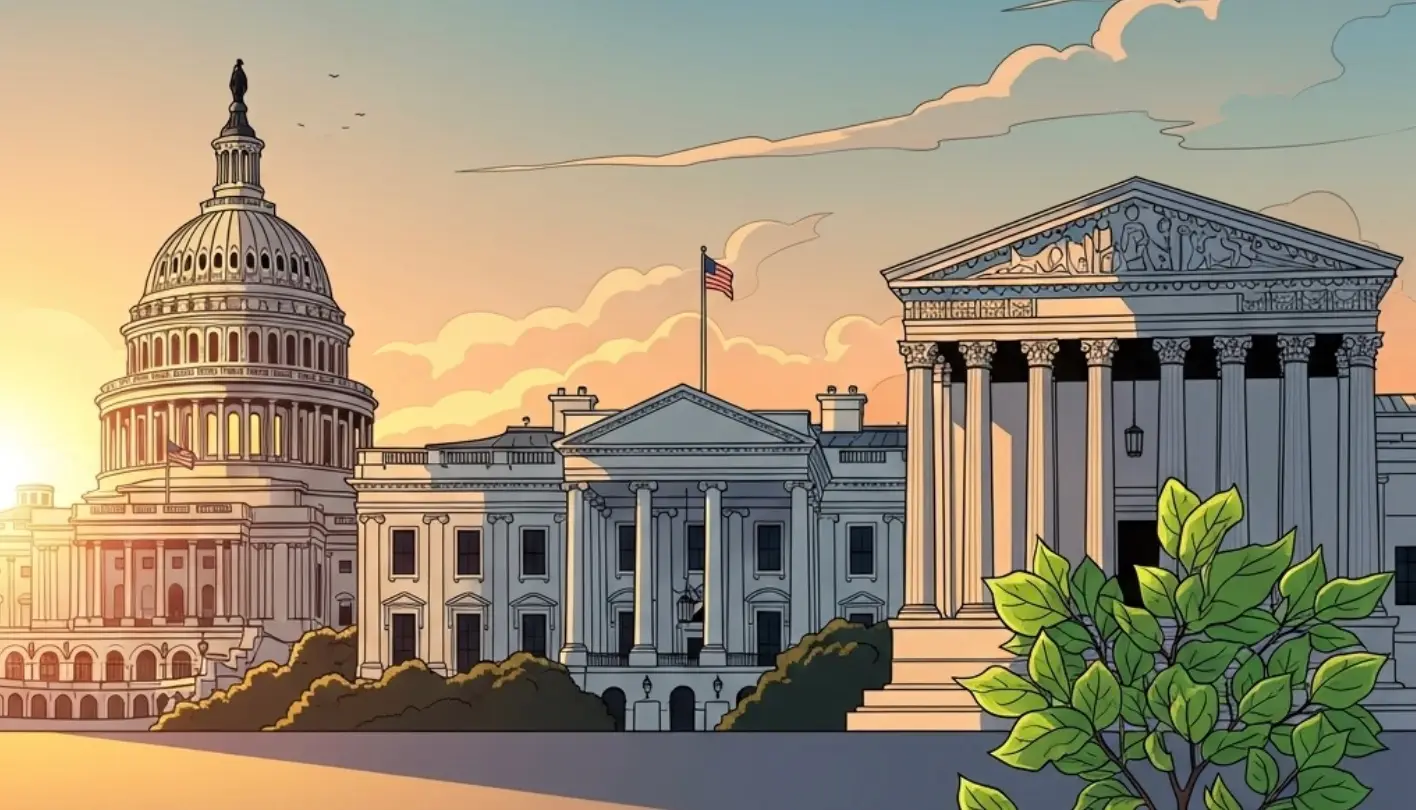
The U.S. Supreme Court is currently deliberating a case concerning President Donald Trump’s Executive Order 14160, which aims to end birthright citizenship for children born in the United States to parents who are undocumented or temporarily present. The order, signed on January 20, 2025, has been blocked by multiple federal courts, which have found it likely violates the Fourteenth Amendment [1][2].
Federal judges, including John Coughenour and Deborah Boardman, have issued nationwide injunctions against the order, citing constitutional concerns under the Citizenship Clause of the Fourteenth Amendment [2]. The Supreme Court’s decision, expected by early summer 2026, could have significant implications for immigration policy and the legal interpretation of citizenship rights in the United States [1].
If the Supreme Court sides with the Trump administration, children born in the U.S. to undocumented or temporarily present parents could be denied U.S. citizenship. This would potentially bar them from accessing work authorization, Social Security, passports, and federal benefits such as SNAP and Medicaid, as well as voting rights [3]. Additionally, some children could become stateless if their parents’ home countries refuse to grant them citizenship [3].

A ruling in favor of the Trump administration could also undermine over a century of legal precedent interpreting the Citizenship Clause of the Fourteenth Amendment [3]. Furthermore, if the Court limits the scope of nationwide injunctions, the executive order could take effect in parts of the country where lower courts have not blocked it, creating a patchwork of citizenship rules across states [4].
Researchers project that up to 1.7 million people could become stateless by 2075 if the Court rules in favor of the Trump administration [5].
What Is Known
President Trump’s executive order seeks to end birthright citizenship for certain children born in the U.S., and it has been blocked by federal courts as likely unconstitutional [1][2]. The Supreme Court is currently hearing arguments and is expected to issue a ruling by early summer 2026 [1].
What Remains Unclear
The Supreme Court’s decision on the executive order’s constitutionality remains pending. The potential impact on citizenship rights and the legal interpretation of the Fourteenth Amendment will depend on the Court’s ruling [1][3].
This article was generated by Bluxle's AI system based on research from multiple news sources. All facts are sourced and cited below. The AI is designed to be neutral and fact-based with no editorial opinion.
Sources & Citations
Weighted by citation frequency — sources cited more often carry greater influence.
Research Basis
This article was researched across outlets representing a range of political perspectives. Only sources whose facts are directly used appear in Sources & Citations above.
Report an Issue
Tell us what you noticed. Our editors will review it.
✓ Report received. Thank you!