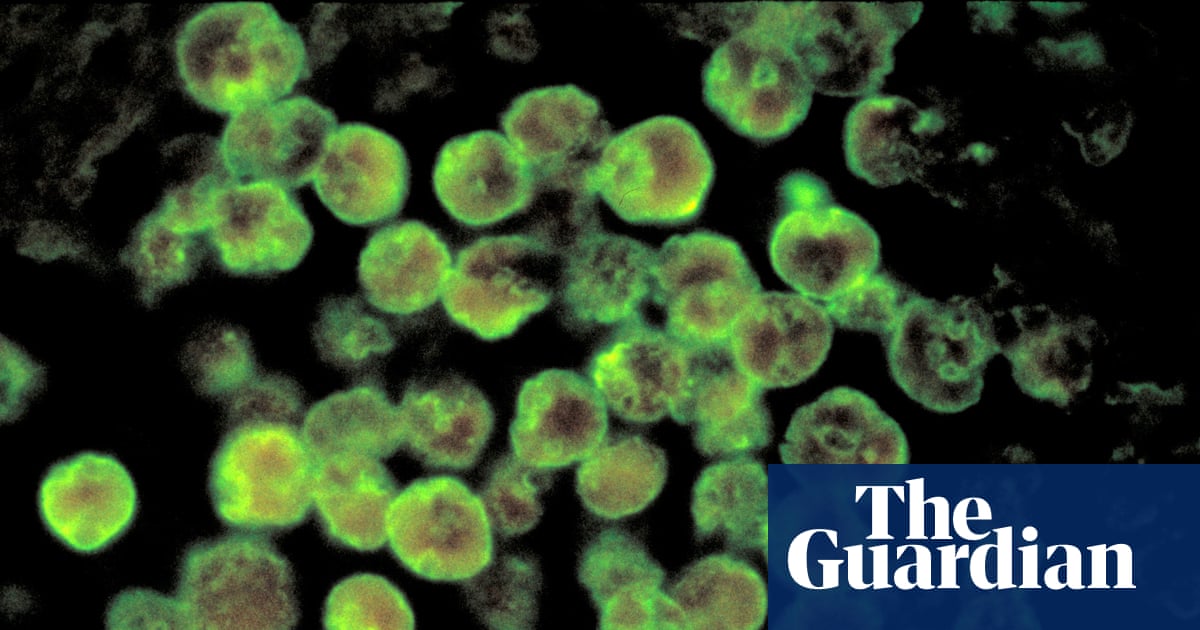
A North Carolina teenager has died after contracting a rare brain infection caused by the amoeba Naegleria fowleri, commonly known as the ‘brain-eating amoeba’ [1][2]. The North Carolina Department of Health and Human Services (NCDHHS) confirmed the death occurred on Monday, August 31, 2026 [2][3].
The teenager had been critically ill since Thursday, August 27, 2026, before succumbing to the infection [4]. Naegleria fowleri is typically found in warm freshwater environments such as ponds, lakes, and rivers, and does not occur in salt water or properly maintained and chlorinated pools [5].
Infections with Naegleria fowleri are extremely rare in the United States, with fewer than 10 cases reported annually, and the infection is almost always fatal [1]. Once symptoms begin, the disease progresses rapidly, usually causing death within about five days [1]. Symptoms of primary amebic meningoencephalitis (PAM) include severe headache, fever, nausea, vomiting, stiff neck, seizures, coma, and rapid progression to death [2].
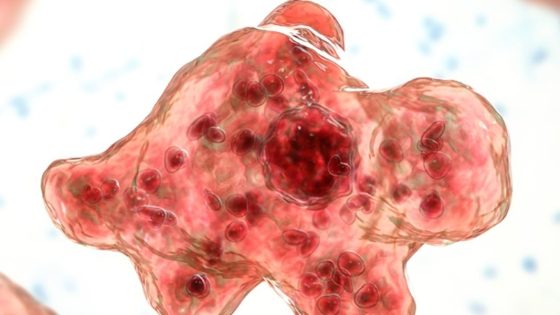
The NCDHHS is collaborating with the Centers for Disease Control and Prevention (CDC) and local partners to investigate all possible sources of the infection [5].
What Is Known
The teenager’s death was confirmed by the NCDHHS, and the infection was caused by Naegleria fowleri [1][2]. The amoeba is naturally present in warm freshwater and is extremely rare in the U.S. [5].
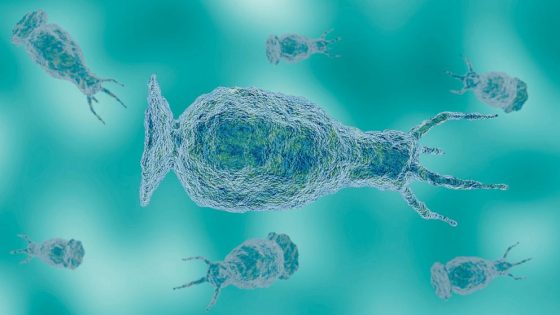
What Remains Unclear
The exact source of the infection has not been identified, and health officials are continuing their investigation [5]. The teenager’s identity has not been officially confirmed by health authorities [2].
This article was generated by Bluxle's AI system based on research from multiple news sources. All facts are sourced and cited below. The AI is designed to be neutral and fact-based with no editorial opinion.

Sources & Citations
Weighted by citation frequency — sources cited more often carry greater influence.
Research Basis
Outlets in bold were actively consulted during research for this article. Others are in our standard monitoring pool.
Report an Issue
Tell us what you noticed. Our editors will review it.
✓ Report received. Thank you!