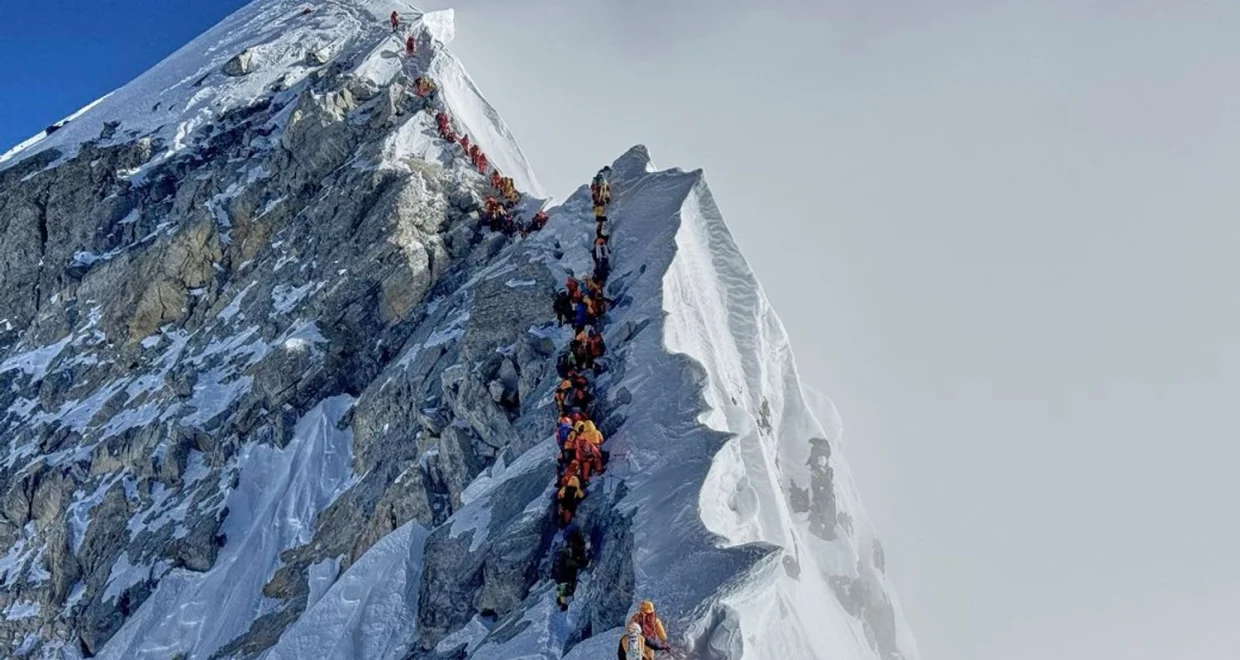
Nepal’s Central Investigation Bureau (CIB) has charged 32 individuals, including trekking agency owners, guides, helicopter operators, sherpas, and hospital staff, with organized crime and fraud. The charges are part of an investigation into a large-scale insurance scam involving fake helicopter rescues on Mount Everest and other high-altitude routes between 2022 and 2025 [1][2].
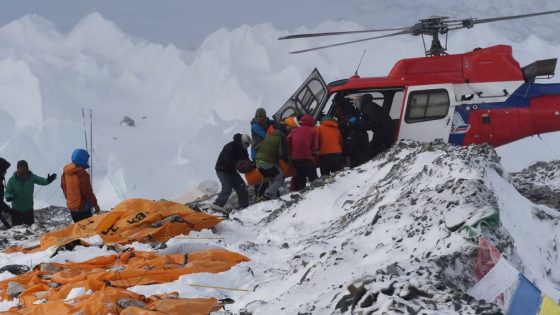
Investigators estimate that more than 300 fraudulent helicopter rescue cases were carried out, resulting in nearly $20 million in bogus insurance claims [3]. Authorities allege that some guides deliberately induced symptoms resembling altitude sickness by adding substances such as baking soda to climbers’ food and administering Diamox (acetazolamide) with excessive water to trigger emergency evacuations [4].
The scheme reportedly involved collusion across multiple sectors: guides induced illness, helicopter operators inflated or fabricated rescue flights, and hospitals falsified or exaggerated medical diagnoses and documentation [1]. One company conducted 171 fake rescues out of 1,248 claimed, resulting in over $10 million in unjustified payouts; another fabricated 75 of 471 rescues, claiming $8 million; a third made 71 fake claims totaling over $1 million [5].
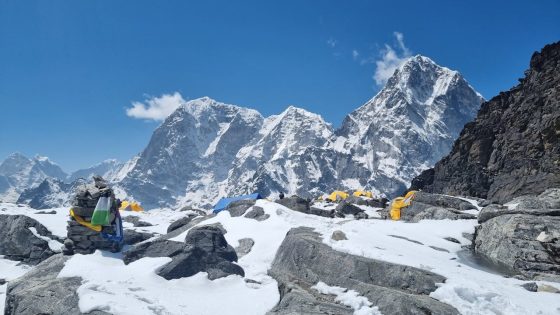
The fraud has damaged Nepal’s tourism reputation and prompted authorities to tighten oversight of tour operators and rescue services ahead of the 2026 spring climbing season [6].
What Is Known
The CIB has charged 32 individuals in connection with the alleged fraud. More than 300 fake rescues have been identified, with nearly $20 million in bogus claims. The scheme involved guides, helicopter operators, and hospitals working together to fabricate rescues and medical conditions [1][3].
What Remains Unclear
Specific monetary breakdowns attributed to individual hospitals or companies have been reported by some outlets but are not yet confirmed by independent, reputable news agencies [4].
This article was generated by Bluxle's AI system based on research from multiple news sources. All facts are sourced and cited below. The AI is designed to be neutral and fact-based with no editorial opinion.
Sources & Citations
Weighted by citation frequency — sources cited more often carry greater influence.
Research Basis
Outlets in bold were actively consulted during research for this article. Others are in our standard monitoring pool.