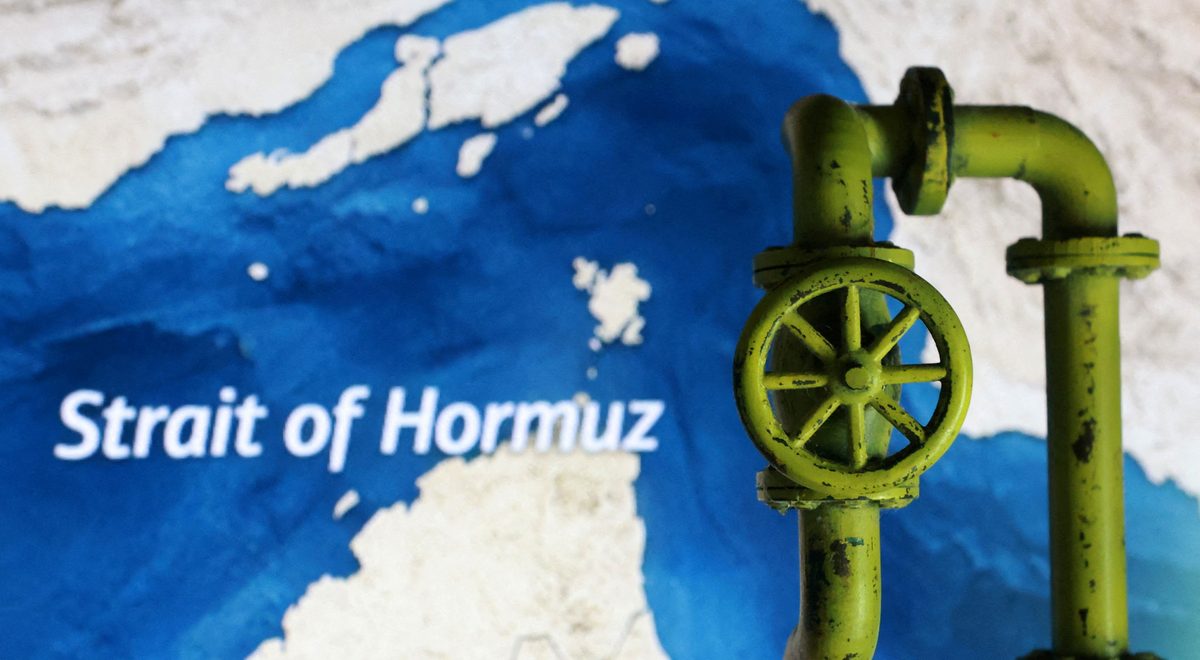
Iran has proposed collecting tolls from ships passing through the Strait of Hormuz, a strategic waterway that handles approximately 20% of the world’s seaborne crude oil and liquefied natural gas (LNG) [1][2]. The proposal is part of Iran’s conditions for reopening the strait, which has been a critical passage for global energy supplies [1].
The Iranian parliament is currently drafting legislation to formalize the imposition of tolls and taxes on vessels navigating the strait, citing reasons of sovereignty and security [2][3]. This move has sparked international concern, as it is seen to violate the principle of freedom of navigation and the right of innocent passage under the United Nations Convention on the Law of the Sea (UNCLOS) [1][2].
Some vessels have reportedly already paid tolls of approximately $2 million each, with payments made in Chinese yuan [1][4]. The proposed toll system would require ships to provide detailed information, including crew and cargo details, and pay in yuan or stablecoins, at a rate of about $1 per barrel [4]. The Islamic Revolutionary Guard Corps (IRGC) is linked to intermediaries involved in the toll collection process [4].
While both Iran and the United States have not ratified UNCLOS, the international community views the toll proposal as a breach of established maritime norms [1][2].
What Is Known
Iran’s proposal includes collecting tolls from ships as a precondition for reopening the Strait of Hormuz [1][2]. The Iranian parliament is drafting legislation to impose these tolls, citing sovereignty and security concerns [2][3]. Some vessels have already paid tolls, reportedly in Chinese yuan [1][4]. The toll system would require detailed information from ships and payments in yuan or stablecoins [4].
What Remains Unclear
It remains unclear how the international community will respond to Iran’s toll proposal, given the potential implications for global trade and maritime law. Additionally, the specific legal arguments Iran might use to justify its actions, considering it has not ratified UNCLOS, are yet to be fully articulated.
This article was generated by Bluxle's AI system based on research from multiple news sources. All facts are sourced and cited below. The AI is designed to be neutral and fact-based with no editorial opinion.
Sources & Citations
Weighted by citation frequency — sources cited more often carry greater influence.
Research Basis
This article was researched across outlets representing a range of political perspectives. Only sources whose facts are directly used appear in Sources & Citations above.
Report an Issue
Tell us what you noticed. Our editors will review it.
✓ Report received. Thank you!