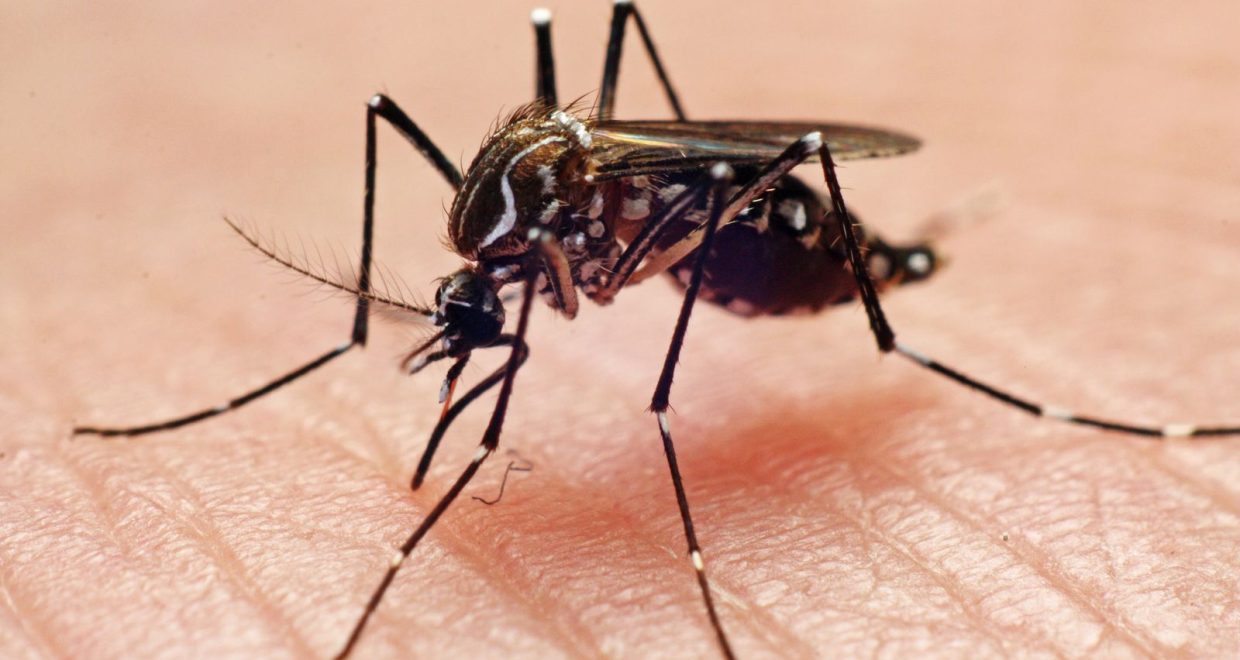
Google, through its parent company Alphabet, has applied to the U.S. Environmental Protection Agency (EPA) for an experimental use permit to release up to 32 million laboratory-bred male mosquitoes in California and Florida over a two-year period. This initiative is part of Alphabet’s Debug program, which aims to reduce populations of disease-spreading mosquitoes [1].
The mosquitoes involved in this project are male and infected with Wolbachia, a naturally occurring bacterium that renders them sterile. When these males mate with wild females, the resulting eggs do not hatch, thereby reducing the mosquito population over time [1].
The EPA is currently reviewing the application and has opened a public comment period that will conclude on June 5, 2026 [2].
Google’s Debug program has previously conducted similar mosquito releases in Singapore, where the introduction of Wolbachia-infected male mosquitoes led to an 80–90% suppression of Aedes aegypti populations and more than a 70% reduction in dengue cases within six to 12 months [1].
The Debug initiative was originally developed under Verily, Alphabet’s life sciences arm, and began around 2016. Verily has conducted earlier trials in Fresno, California, releasing millions of Wolbachia-infected male Aedes aegypti mosquitoes [1].
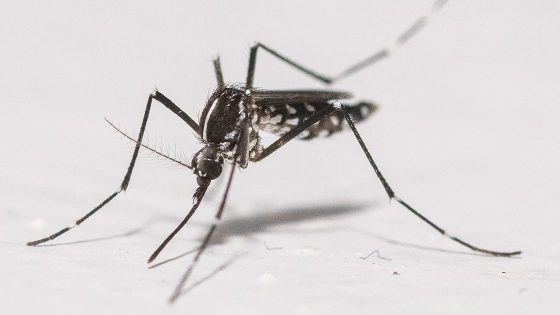
The proposed target species for the new release includes Culex quinquefasciatus, a mosquito species known to transmit West Nile virus and St. Louis encephalitis [3].
What Is Known
Google’s application to the EPA involves the release of 32 million mosquitoes as part of a strategy to control mosquito populations using Wolbachia-infected males. The Debug program has shown success in previous trials in Singapore and Fresno, California [1][2].
What Remains Unclear
While the EPA’s public comment period is underway, the final decision on the permit has yet to be made. Additionally, there are unconfirmed reports suggesting a higher number of mosquitoes may be released, but these figures have not been corroborated by multiple independent sources [4].
This article was generated by Bluxle's AI system based on research from multiple news sources. All facts are sourced and cited below. The AI is designed to be neutral and fact-based with no editorial opinion.

Sources & Citations
Weighted by citation frequency — sources cited more often carry greater influence.
Research Basis
Outlets in bold were actively consulted during research for this article. Others are in our standard monitoring pool.
Report an Issue
Tell us what you noticed. Our editors will review it.
✓ Report received. Thank you!