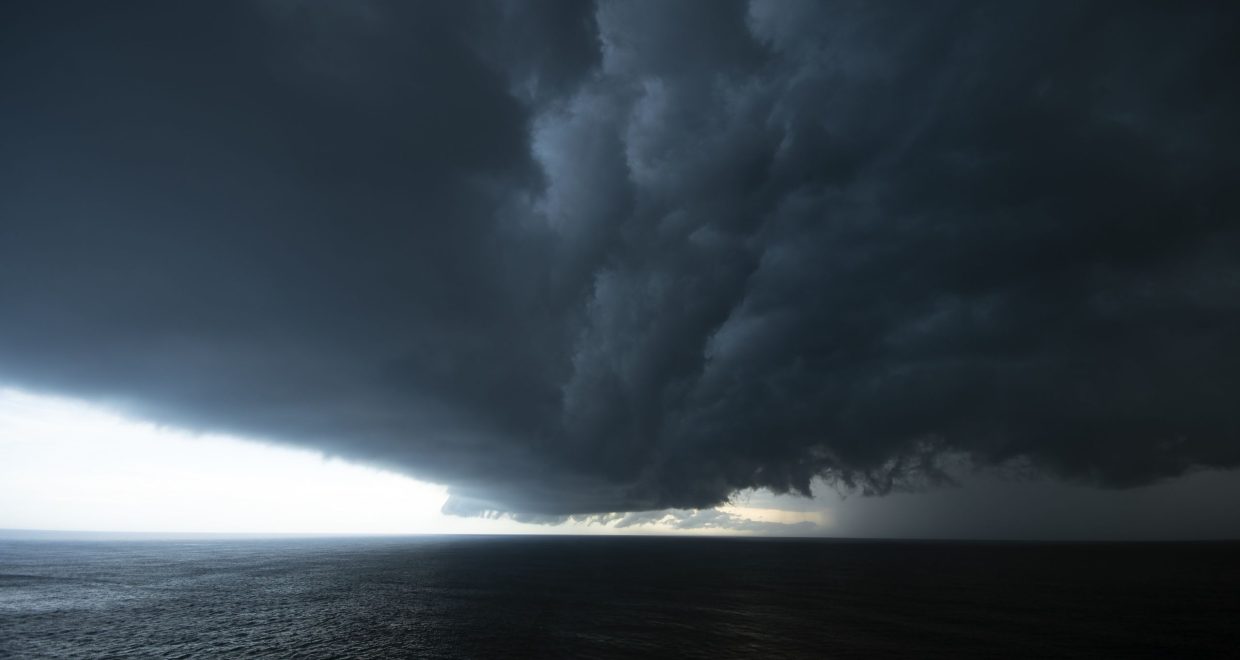
The U.S. National Oceanic and Atmospheric Administration (NOAA) has officially confirmed the formation of El Niño in the Pacific Ocean, with predictions indicating it could reach historic strength [1]. The World Meteorological Organization (WMO) projects an 80% probability of El Niño conditions emerging between June and August 2026, increasing to around 90% through September to December [2].
El Niño, a climate pattern characterized by the warming of sea surface temperatures in the central and eastern Pacific Ocean, is expected to significantly influence global weather patterns. The European Centre for Medium-Range Weather Forecasts (ECMWF) forecasts that sea surface temperature anomalies in the central equatorial Pacific could reach +3°C to +4°C by December, potentially making this the strongest El Niño on record [3].
United Nations Secretary-General António Guterres has issued a warning, stating that “El Niño conditions will pour fuel on the fire of a warming world,” highlighting the urgency of addressing climate impacts [1].

Experts predict that the current El Niño could turbocharge extreme weather events globally, including heat waves, floods, droughts, tornadoes, and wildfires. These conditions may rival or exceed those experienced during the 1997 El Niño event [1].
NOAA has indicated a 63% chance that this El Niño will become a very strong event between November and January, potentially ranking among the largest since 1950 [1]. Reuters reports that El Niño conditions are already present and are expected to strengthen into the Northern Hemisphere winter of 2026–27 [4].
What Is Known
El Niño has officially formed, with NOAA and WMO confirming its presence and potential for significant strength. Predictions indicate a high likelihood of extreme weather events globally, with sea surface temperature anomalies potentially reaching record levels [1][2][3].
What Remains Unclear
While forecasts predict significant impacts, the exact scale and specific regional effects of this El Niño remain uncertain. The potential for unprecedented weather disruptions requires ongoing monitoring and preparedness [1][4].
This article was generated by Bluxle's AI system based on research from multiple news sources. All facts are sourced and cited below. The AI is designed to be neutral and fact-based with no editorial opinion.

Sources & Citations
Weighted by citation frequency — sources cited more often carry greater influence.
Research Basis
Outlets in bold were actively consulted during research for this article. Others are in our standard monitoring pool.
Report an Issue
Tell us what you noticed. Our editors will review it.
✓ Report received. Thank you!