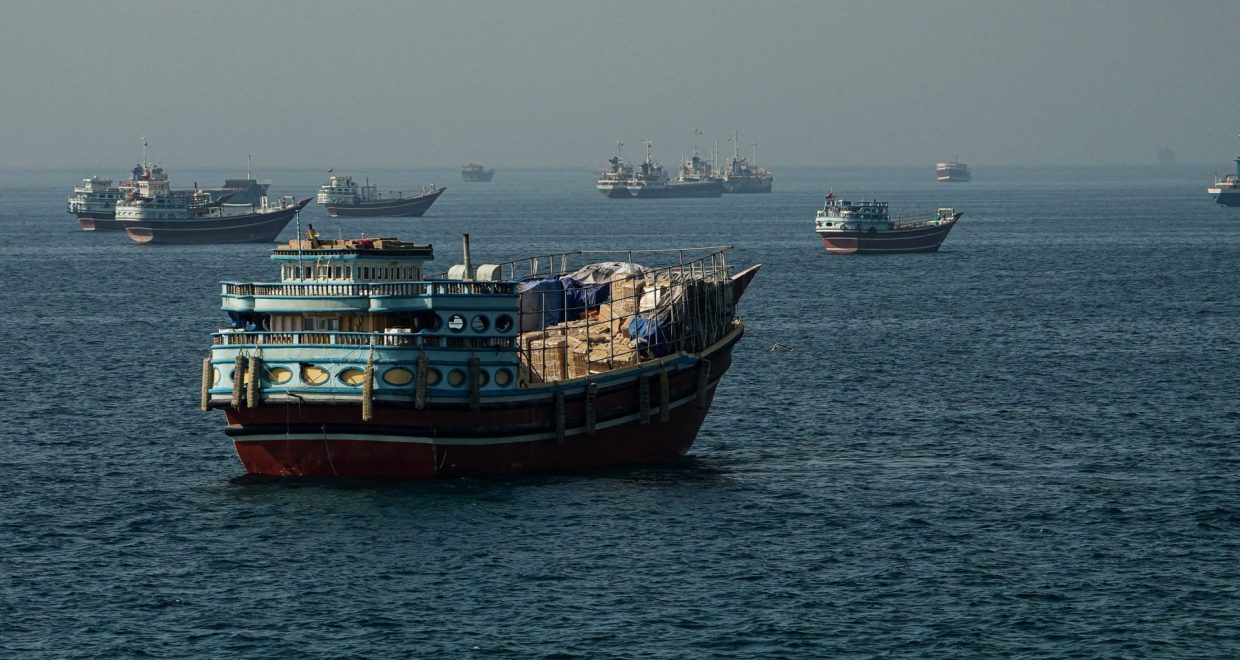
The Strait of Hormuz, a critical maritime chokepoint, is currently the center of a dispute between Iran and the United States, with both nations claiming control over the waterway. Iran’s Islamic Revolutionary Guard Corps Navy (IRGCN) has implemented a toll system and requires vessels to provide documentation before transit, according to the European Union’s Council press release and multiple news outlets [1].
The United States, however, rejects Iran’s claim of control. U.S. Central Command reports that American forces have assisted over 900 vessels in transiting the strait since early May and continue to monitor the area to ensure it remains open [2]. Both countries have publicly asserted their control, with Iran claiming it manages passage and the U.S. declaring its role as a guardian of the strait [3].
Iran established the Persian Gulf Strait Authority (PGSA) in May 2026 to regulate maritime transit, requiring vessels to pay for safe passage and obtain authorization [1]. Iran has repeatedly declared the strait closed or under its sole administration, warning vessels to comply with Iranian-designated routes [4].

Despite these assertions, the U.S. maintains that Iran does not control the Strait of Hormuz. The U.S. has announced a blockade and stated its intention to act as the strait’s protector [3].
What Is Known
Iran’s IRGCN has assumed operational control over the Strait of Hormuz, implementing a toll system and requiring documentation from vessels [1]. The U.S. rejects this claim, stating that it ensures the strait remains open, having assisted numerous vessels in transit [2]. Both nations have publicly asserted control over the strait [3].
What Remains Unclear
The exact extent of control each nation exercises over the Strait of Hormuz remains disputed. While Iran has established administrative measures, the U.S. continues to assert its role in keeping the waterway open. The situation remains tense, with both nations maintaining conflicting claims and actions [1][2][3].
This article was generated by Bluxle's AI system based on research from multiple news sources. All facts are sourced and cited below. The AI is designed to be neutral and fact-based with no editorial opinion.

Sources & Citations
Weighted by citation frequency — sources cited more often carry greater influence.
Research Basis
Outlets in bold were actively consulted during research for this article. Others are in our standard monitoring pool.
Report an Issue
Tell us what you noticed. Our editors will review it.
✓ Report received. Thank you!