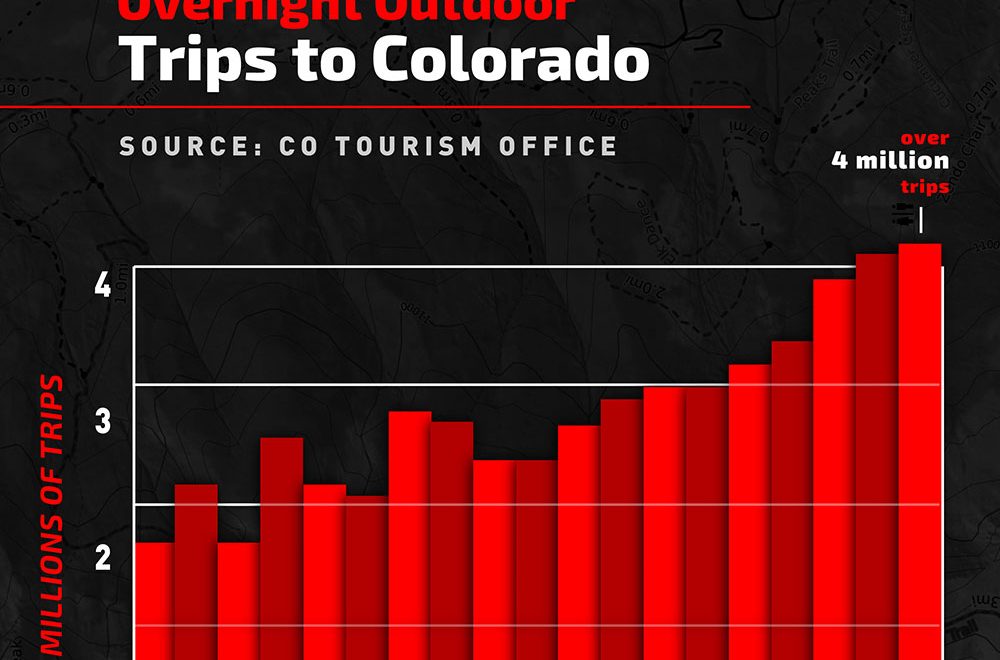
Colorado Parks and Wildlife (CPW) and the Colorado Search and Rescue Association (CSAR) are undergoing significant changes in their coordination and funding of backcountry search and rescue (BSAR) operations. CPW administers the BSAR Fund, which has provided over $6.8 million in grants to county sheriff’s search and rescue teams since 2023, including $2.75 million in 2025 for training, equipment, and mental health programs [1].
The BSAR fee, managed by CPW, is currently set at $1.25 and is added to snowmobile, boating, off-highway vehicle registrations, and hunting and fishing licenses [1]. Additionally, the Keep Colorado Wild Pass program contributes approximately $2.5 million annually to BSAR programs through CPW-managed grants [2].
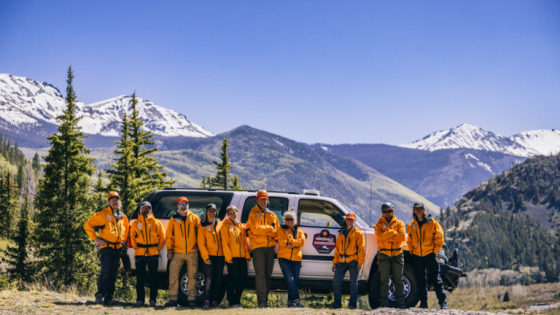
CSAR, a volunteer non-profit association, coordinates BSAR resources across Colorado. It includes state coordinators who assist local jurisdictions when incidents exceed local capacity [2]. A legislative bill, the “Strengthen Backcountry Search and Rescue in Colorado Act,” has passed through the Colorado Senate Agriculture and Natural Resources Committee. This bill supports a statewide BSAR program redesign, a study, and a pilot mental health services program for BSAR professionals [3].
A long-standing agreement between CSAR and the Colorado Division of Homeland Security and Emergency Management will end on August 1, 2026. Coordination will shift to a new interagency agreement [4]. CPW stated that this shift aims to ensure clearer accountability and more consistent oversight, while local sheriff’s offices will remain in charge of search and rescue operations [4].
What Is Known
CPW has been actively funding BSAR operations through various programs, including the BSAR Fund and the Keep Colorado Wild Pass program. The legislative bill aims to enhance the effectiveness of BSAR operations and address mental health needs of rescue professionals. The coordination of BSAR operations is transitioning to a new interagency agreement [1][2][3][4].
What Remains Unclear
Details about the specific structure and implications of the new interagency agreement remain unclear. Additionally, the impact of these changes on CSAR’s role in coordinating BSAR resources is yet to be fully understood [4].
This article was generated by Bluxle's AI system based on research from multiple news sources. All facts are sourced and cited below. The AI is designed to be neutral and fact-based with no editorial opinion.

Sources & Citations
Weighted by citation frequency — sources cited more often carry greater influence.
Research Basis
Outlets in bold were actively consulted during research for this article. Others are in our standard monitoring pool.
Report an Issue
Tell us what you noticed. Our editors will review it.
✓ Report received. Thank you!