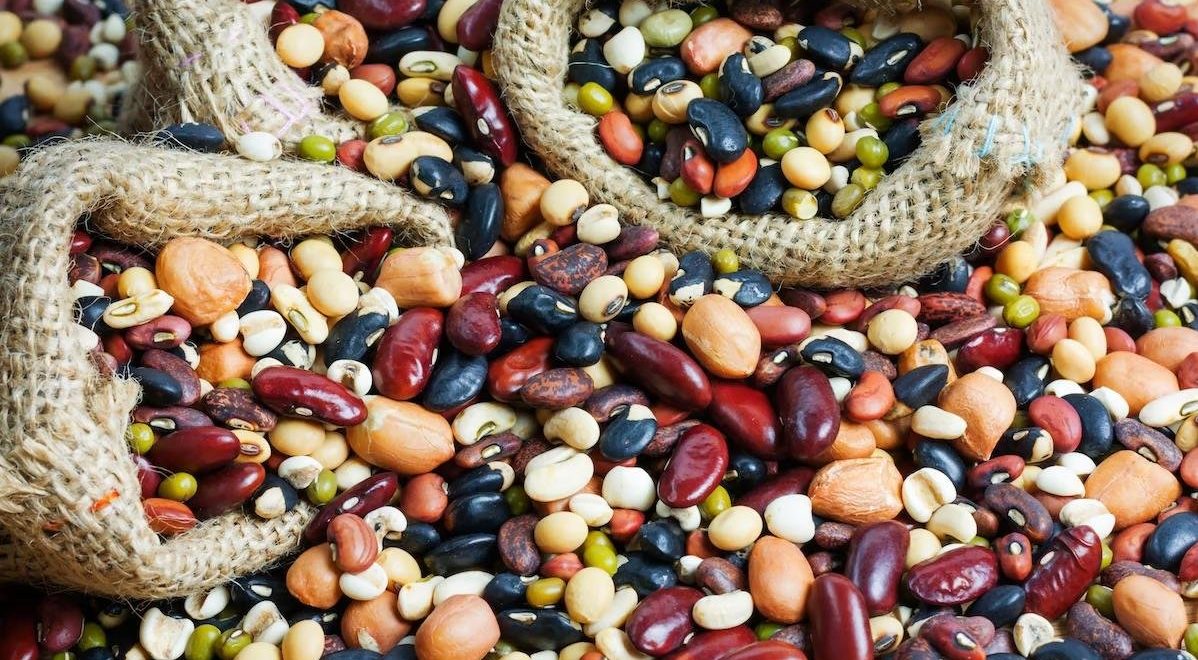
Beans and meat are both popular protein sources, but they differ in their nutritional profiles and how they provide essential amino acids. Most beans, such as black beans, kidney beans, and lentils, are not complete proteins because they lack sufficient amounts of the essential amino acid methionine, and sometimes cysteine [1][2]. In contrast, animal-based proteins, including meat, poultry, fish, eggs, and dairy, are complete proteins, containing all nine essential amino acids [1][2].
Soybeans and soy-based foods, such as tofu and tempeh, are exceptions among plant-based proteins, as they provide all essential amino acids in adequate amounts, making them complete proteins [1][2]. For those relying on beans as a primary protein source, combining them with grains, nuts, or seeds throughout the day can create a complete amino acid profile, even if not consumed in the same meal [1][2].
While meat is more protein-dense and generally easier to digest than beans, the digestibility of bean protein is lower, which may require a slightly higher intake of beans to match the usable protein from meat [2]. However, beans offer additional nutritional benefits, such as fiber, vitamins, minerals, and lower saturated fat content compared to meat [3][4].
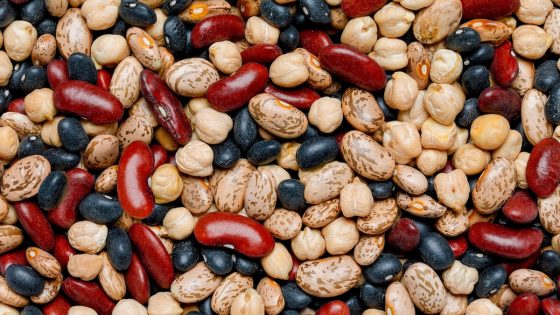
U.S. dietary guidelines and expert panels have recommended increasing the consumption of legumes, including beans, peas, and lentils, while reducing the intake of red and processed meats [4][5]. These recommendations are based on health considerations and the nutritional benefits provided by legumes.
What Is Known
It is established that most beans are not complete proteins, while soybeans and animal-based proteins are. Combining beans with other foods can provide a complete amino acid profile. Beans offer additional health benefits, and dietary guidelines suggest increasing legume consumption [1][2][3][4][5].
What Remains Unclear
Some claims, such as a Brazilian study suggesting a specific beans and rice mixture equals the protein quality of milk, remain unconfirmed due to lack of independent corroboration [3].
This article was generated by Bluxle's AI system based on research from multiple news sources. All facts are sourced and cited below. The AI is designed to be neutral and fact-based with no editorial opinion.

Sources & Citations
Weighted by citation frequency — sources cited more often carry greater influence.
Research Basis
Outlets in bold were actively consulted during research for this article. Others are in our standard monitoring pool.
Report an Issue
Tell us what you noticed. Our editors will review it.
✓ Report received. Thank you!