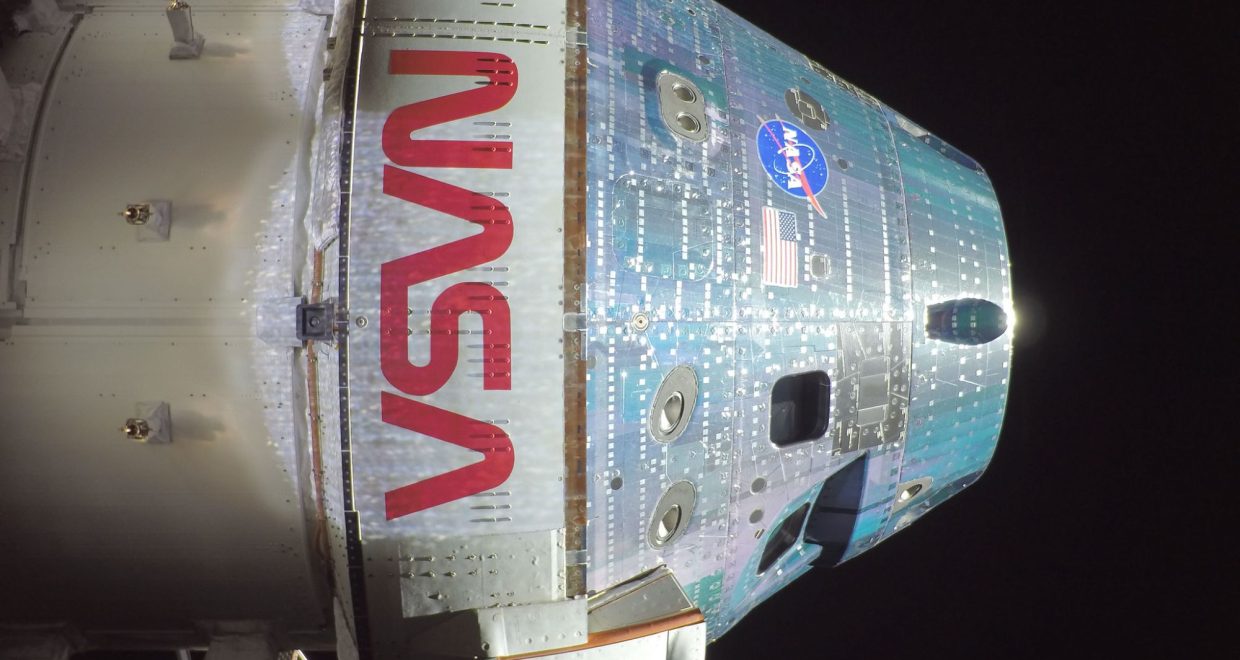
Shortly after the launch of NASA’s Artemis II mission on April 1, 2026, the crew encountered a malfunction with the Orion spacecraft’s toilet system, known as the Universal Waste Management System. The issue was identified by a blinking fault light, indicating a potential jam in the fan or controller affecting urine collection [1][2].
Mission Control, in collaboration with the crew, particularly astronaut Christina Koch, implemented troubleshooting procedures to restore the toilet to operational status. The problem was resolved successfully, allowing the system to function as intended [2][3]. During the initial malfunction, the crew utilized backup urine collection bags, commonly referred to as contingency bags, while the primary system was offline [2][3].
As the mission progressed, the crew reported a burning or heater-like smell emanating from the toilet area. Despite this, Mission Control assured that there were no significant concerns, and the toilet remained usable [1][2]. Engineers suspect that ice buildup around the vent or nozzle might have caused intermittent issues with wastewater dumping [2][4].
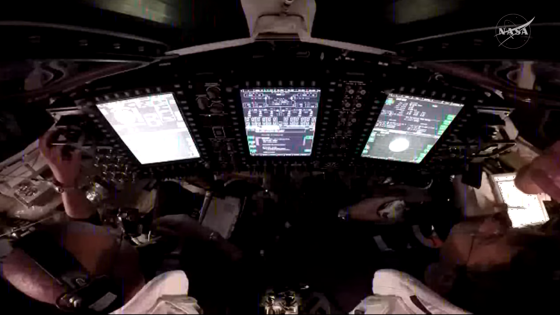
The Artemis II crew, consisting of Commander Reid Wiseman, Pilot Victor Glover, and Mission Specialists Christina Koch and Jeremy Hansen, continues their journey to the Moon, with the toilet system functioning adequately following the initial hiccup [1][2].
What Is Known
The Artemis II mission experienced a toilet malfunction shortly after launch, which was successfully resolved by the crew and Mission Control. Backup systems were employed temporarily, and the primary system was restored to functionality. The crew reported a burning smell later, but it did not impact the toilet’s usability [1][2][3].
What Remains Unclear
While the immediate issues with the toilet have been addressed, the exact cause of the burning smell and potential ice buildup remains under investigation. Further analysis is required to determine the long-term implications, if any, on the system’s performance [2][4].
This article was generated by Bluxle's AI system based on research from multiple news sources. All facts are sourced and cited below. The AI is designed to be neutral and fact-based with no editorial opinion.
Sources & Citations
Weighted by citation frequency — sources cited more often carry greater influence.
Research Basis
Outlets in bold were actively consulted during research for this article. Others are in our standard monitoring pool.